
MASC: The Macrocyclic and Supramolecular Chemistry Interest Group
RSC MASC Group PhD Thesis Award given in memory of John Fossey
The award is open to doctoral students working in the area of macrocyclic and/or supramolecular chemistry in its widest sense.
2025 Award:
This year there were two exceptional candidates for the 2025 RSC MASC Group PhD Thesis Award given in memory of John Fossey. The judging panel were not able to differentiate them and hence made the decision to award two joint winners. These were:
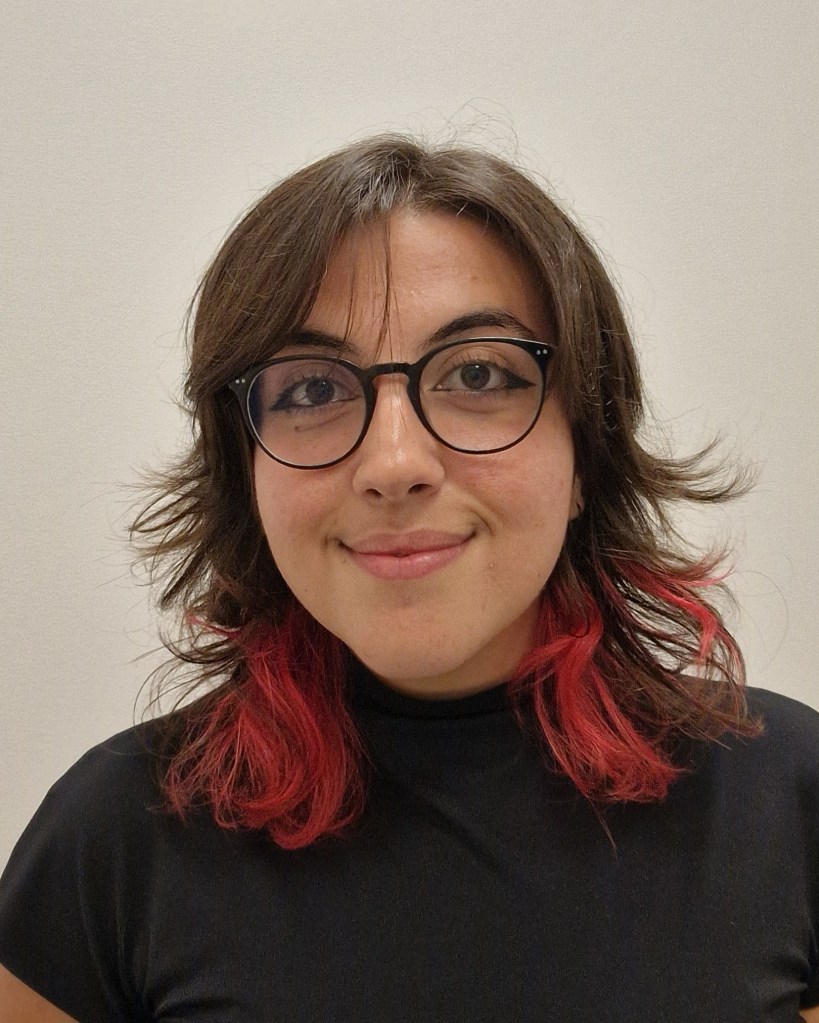
Simona Bianco (University of Glasgow): Awarded in recognition of the candidate’s outstanding contribution to the design and in operando multimodal characterisation of stimuli-responsive supramolecular systems based on functionalised peptides.
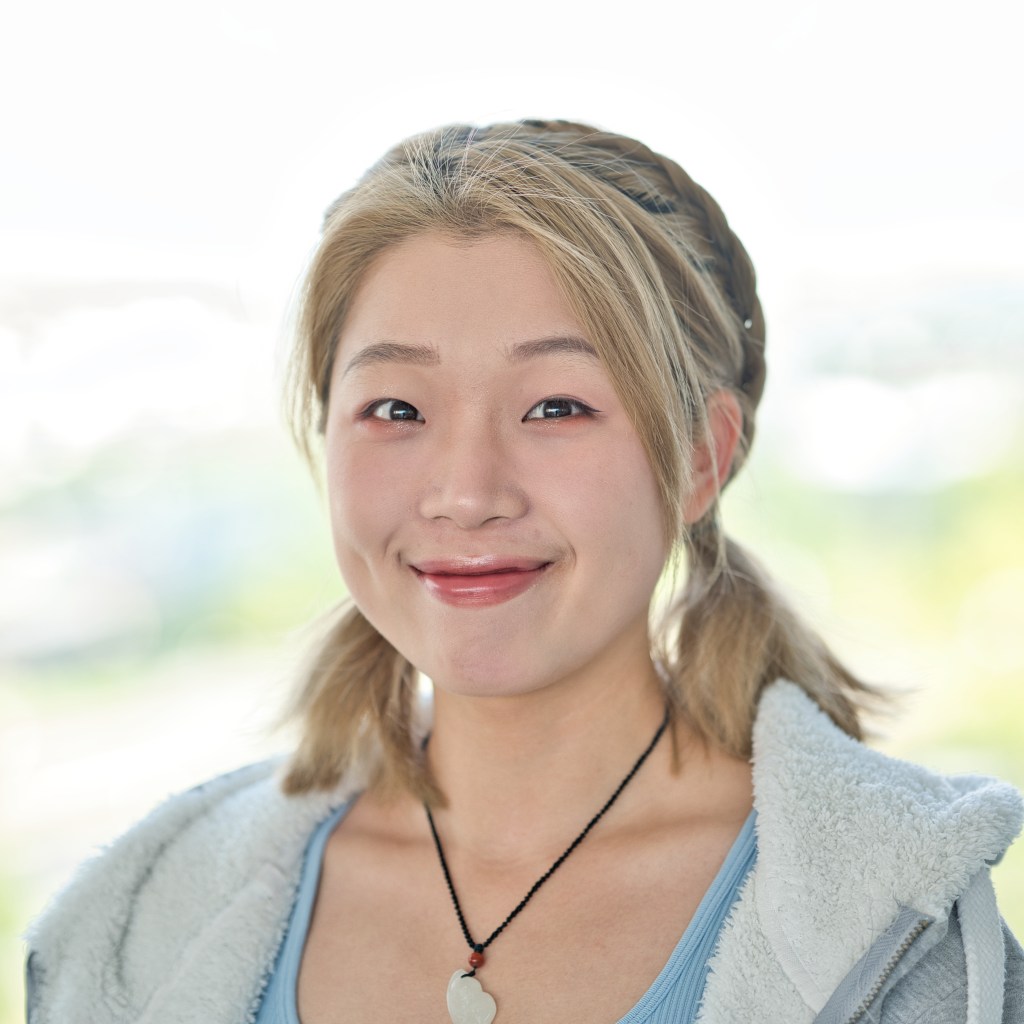
Jiarong Wu (University of St Andrews/Universität Würzburg): Awarded for groundbreaking work on bringing imine photoswitches to practical use and pioneering their application in driving chemical systems to non-equilibrium steady states with light.
The panel also awarded a ‘Highly Commended’ application to: Ben Barber (The Francis Crick Institute/King’s College London)
Professor John Fossey:
The award is given in the memory of Professor John Fossey. He obtained his MChem from Cardiff University in 2000, followed by a PhD from Queen Mary University of London with Christopher Richards in 2004. He worked with Shu Kobayashi at the University of Tokyo as a JSPS Postdoctoral Fellow, during which time he met his wife-to-be Rumi, before returning to the UK in 2005 to take up a position at the University of Bath. In 2008, John secured a permanent position as a Lecturer at the University of Birmingham, where he rose through the ranks to become a Professor of Synthetic Chemistry in 2018.
John’s research interests at The University of Birmingham spanned numerous diverse projects including areas of organic synthesis, catalysis, supramolecular chemistry and molecular sensing. During his career John published over 120 publications and patents. He was awarded the Daiwa Adrian Prize in 2013 with Seiji Shinkai, Tony James, Steven Bull, Kazuo Sakurai, and Yuji Kubo for research into chemonostics. The inaugural Czarnik Emerging Investigator Award in 2016 for work on catalysis and sensing. In 2018 he was awarded a CRUK Pioneer Award to support his research in establishing early detection potential from single molecule chemosensors. He was also the principal investigator on a Juvenile Diabetes Research Foundation-funded project focused on translating boronic acid-mediated recognition to smart drug delivery.
John’s memory lives on in the supramolecular community due to his championing of Early Career Researchers which has led to a number of individuals within the field either studying directly under him, or being influenced/inspired by his research.
Past winners:
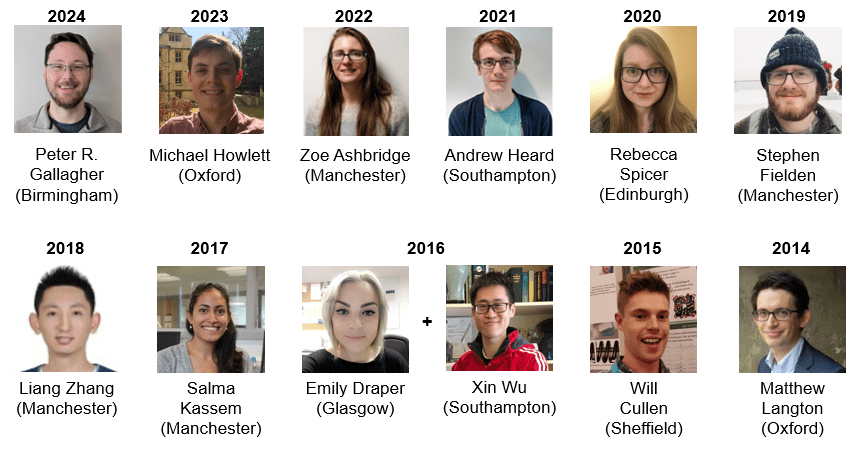
- 2024 – Dr Peter R. Gallagher (Universities of Birmingham & Southampton, supervised by Steve Goldup)
- 2023 – Dr Michael Howlett (University of Oxford, supervised by Stephen Fletcher)
- 2022 – Dr Zoe Ashbridge (University of Manchester, supervised by David Leigh)
- 2021 – Dr Andrew Heard (University of Southampton, supervised by Steve Goldup)
- 2020 – Dr Rebecca Spicer (University of Edinburgh, supervised by Paul Lusby)
- 2019 – Dr Stephen Fielden (University of Manchester, supervised by David Leigh)
- 2018 – Dr Liang Zhang (University of Manchester, supervised by David Leigh)
- 2017 – Dr Salma Kassem (University of Manchester, supervised by David Leigh)
- 2016 – Dr Emily Draper (Gold, University of Liverpool, supervised by Dave Adams)
- 2016 – Dr Xin Wu (Silver, Southampton, supervised by Phil Gale)
- 2015 – Dr Will Cullen (University of Sheffield, supervised by Mike Ward)
- 2014 – Dr Matthew Langton (University of Oxford, supervised by Paul Beer)

 Macrocyclic and Supramolecular Chemistry (MASC) Group